
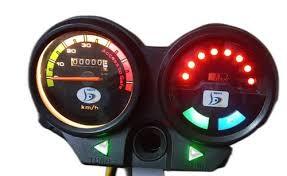
A two wheeler Speedo Meter plays a vital role in measuring speed and distance accurately. This blog explains how a two wheeler Speedo Meter works, its key components, and why accuracy matters. Learn from Vinayak Automotive, a trusted two wheeler Speedo Meter supplier, about the working principles of mechanical and digital speedo meters.
A two wheeler Speedo Meter is one of the most essential instruments on a motorcycle or scooter. It helps riders monitor their speed, distance traveled, and overall riding performance. Despite being a small component, its role in safety, compliance, and riding efficiency is extremely important.
At Vinayak Automotive, a trusted two wheeler Speedo Meter supplier, we believe understanding how a speedo meter works helps riders and manufacturers appreciate its value and maintain it better. Let’s take a closer look at its working principle.
What Is a Two Wheeler Speedo Meter?
A two wheeler Speedo Meter is an instrument cluster designed to measure and display the speed of a vehicle in real time. In most two-wheelers, it also includes an odometer that records total distance traveled and, in some cases, a trip meter.
Speedo meters can be broadly classified into:
Mechanical Speedo Meters
Electronic or Digital Speedo Meters
Each type works differently, but both serve the same purpose—accurate speed measurement.
How a Mechanical Two Wheeler Speedo Meter Works
Mechanical speedo meters are commonly found in older motorcycles and basic models.
Working Principle:
Wheel Rotation
When the front wheel rotates, it drives a flexible cable connected to the wheel hub.Speed Cable Movement
The rotating wheel turns the inner cable, which transmits motion to the speedo meter head.Magnetic Mechanism
Inside the speedo meter, the rotating cable spins a magnet. This magnet creates resistance against a metal cup attached to the needle.Needle Movement
The faster the wheel rotates, the more the needle moves across the dial, indicating speed.
This system is simple, reliable, and widely used due to its low cost and durability.
How a Digital Two Wheeler Speedo Meter Works
Modern two-wheelers increasingly use digital speedo meters for better accuracy and additional features.
Working Principle:
Speed Sensor Detection
A speed sensor mounted near the wheel or gearbox detects rotational speed.Electronic Signal Processing
The sensor sends electrical signals to the ECU (Electronic Control Unit).Data Conversion
The ECU calculates speed and distance based on wheel rotation data.Digital Display Output
The calculated speed is shown on an LCD or LED screen in real time.
Digital systems are more precise and allow integration of multiple features like fuel indicators, warning lights, and service reminders.
Key Components of a Two Wheeler Speedo Meter
Speed sensor or speed cable
Magnet and needle (mechanical type)
ECU or control unit (digital type)
Display panel
Odometer and trip meter
As an experienced two wheeler Speedo Meter supplier, Vinayak Automotive ensures each component meets quality and durability standards.
Why Accuracy in a Two Wheeler Speedo Meter Matters
Helps maintain legal speed limits
Improves rider safety
Ensures accurate distance tracking
Supports better vehicle maintenance planning
An inaccurate speedo meter can lead to speeding violations or unsafe riding conditions.
Choosing a Reliable Two Wheeler Speedo Meter Supplier
When selecting a speedo meter, quality and precision are crucial. A reliable two wheeler Speedo Meter supplier like Vinayak Automotive focuses on:
Consistent accuracy
Durable materials
Compatibility with various two wheeler models
Compliance with industry standards
Conclusion
Understanding how a two wheeler Speedo Meter works gives valuable insight into one of the most important safety and performance components of a two-wheeler. Whether mechanical or digital, a well-designed speedo meter ensures accurate speed monitoring and a safer riding experience.